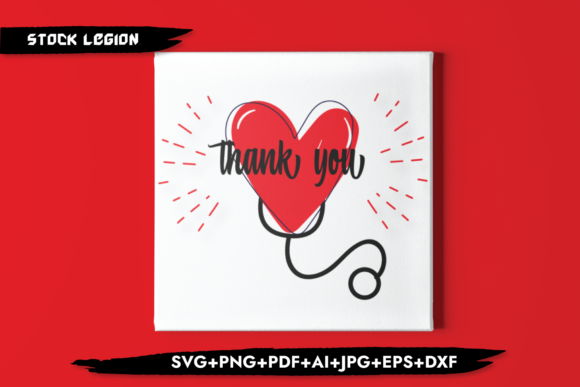
A Designer's Take on the Thank You Heart and Stethoscope
When a new embroidery file lands in my studio, the first thing I ask myself isn’t about the technical specs. It’s about the story. What feeling does this design convey, and where would it truly shine in the hands of a maker or on the body of a customer? The Thank You Heart and Stethoscope design immediately answers that question with warmth and purpose.
The Heart of the Design: First Impressions & Mood
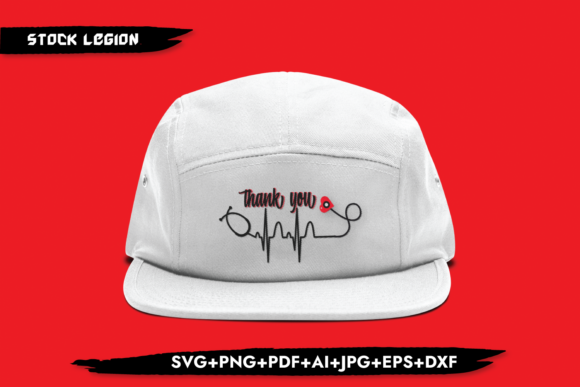
This design isn’t just graphic; it’s a gesture. The intertwined heart and stethoscope creates an instant, recognizable symbol of care and medical gratitude. The layout is clean and balanced, making it versatile without being generic. It has a friendly, professional personality—it feels appreciative rather than clinical. This isn’t a design you’d use just because it’s cute; it’s a design you’d choose because it communicates a specific, heartfelt message. For embroidery, that’s gold. It naturally belongs to projects meant as tokens of thanks: for a nurse, a doctor, a caregiver, or even a medical office staff.
Where This Design Finds Its Perfect Home
Imagine you’re preparing a custom order for a client who wants to thank their pediatric nurse. You’re considering a soft, premium cotton tote bag. This design would sit perfectly on the front panel, its clear lines ensuring the stethoscope detail remains recognizable even after stitching. The heart element adds that emotional touch that a plain logo might lack. It transforms a simple bag into a personalized gift.
Beyond tote bags, this embroidery file has a natural fit on items meant for comfort or personal wear. A soft crewneck sweatshirt for a medical student, a cozy blanket for a retiring nurse, or even a delicate patch applied to a nurse’s favorite cap. In a craft business context, it’s excellent for holiday gifts—think Nurses Week—or as a staple in a boutique that sells to the medical community. For baby clothes, perhaps for a child born with the help of a wonderful medical team, it could be a subtle, meaningful accent on a romper or a nursery pillow cover.
Performance in Real-World Embroidery Projects
From a practical stitching perspective, a design like this hinges on clarity. The separation between the heart shape and the stethoscope lines is crucial. In embroidery, areas that are too dense or details that are too fine can blur. Based on the description of smooth professional files, the expectation is that the paths are clean, which should translate to clean satin stitches for outlines and tidy fill stitches for the heart. This matters immensely for visual appeal and professionalism on the finished product.
On a dark fabric like a navy blue sweatshirt, you’d need to plan thread color contrast carefully—perhaps a bright white or a soft pastel for the heart to ensure it pops. On light fabrics, it’s more forgiving. The design’s value isn’ just in its look, but in the customer trust it builds. A well-embroidered, clear symbol on a handmade product feels intentional and high-quality, which supports brand consistency for a small shop.
Caution Areas: Where to Test Before You Stitch
Every design has its sweet spot and its tricky edges. For the Thank You Heart and Stethoscope, the detailed corners of the stethoscope and the potentially small “Thank You” text (if included in the design file) require attention. On textured fabrics like some canvas tote bags or on stretchy fabrics like tee-shirts, small details can get lost or distorted if the stabilizer isn’t right.
I would be cautious using this on very small hoop sizes if the design is intricate. Embroidering it on a curved surface like a cap also presents a challenge—the heart shape needs to sit flat without appearing warped. For products destined for frequent washing, like kitchen towels or aprons, a robust stitch density is needed to prevent premature fraying, so checking that underlying setting in the file is wise.
Turning a Design File into a Successful Product
How does this design affect your project’s success? For an Etsy seller or apparel decorator, it offers a clear niche. It’s not another generic floral motif; it serves a specific audience looking for meaningful customization. That boosts buyer engagement because it solves a specific need—the need to give a thoughtful, professional-looking gift. Its giftability is inherently high.
For commercial embroidery projects, like batches of patches for a hospital event, the design’s recognizability ensures quick comprehension. It looks professional without needing corporate branding. This is a key advantage for digital product sellers offering the file itself—it’s a ready-made design asset that crafters can trust for a professional outcome.
Practical Notes from the Hoop
Before you run this machine embroidery design on your final project, do the standard but vital checks. Test it on scrap fabric first, ideally a similar material to your final product. Review the stitch density in your software preview; look for any overly dense areas that might pucker. Confirm the effective hoop size needed for a clean stitch-out.
Always inspect the small details in a test run. Does the stethoscope tube line remain a clean, single line, or does it break up? Check how it looks in both black and white mockups, or stitch a sample on light and dark backgrounds to plan your thread palette. Use a proper stabilizer for your fabric type—this is non-negotiable for clarity.
Finally, and crucially, check the licensing terms provided with the file before selling any finished items or digital products derived from it. The description mentions it includes professional files, but the specifics of personal versus commercial use are paramount for your business. Always verify this to protect your craft business and your customers’ trust.
The Thank You Heart and Stethoscope design, from a crafts and graphics perspective, is a strong contender for makers who want to bridge emotion with execution. It’s a design that feels ready to work, ready to stitch, and ready to carry a message of appreciation from your hoop to someone’s hands.