A Designer's Eye on Baby Nursery Door Signs for Embroidery
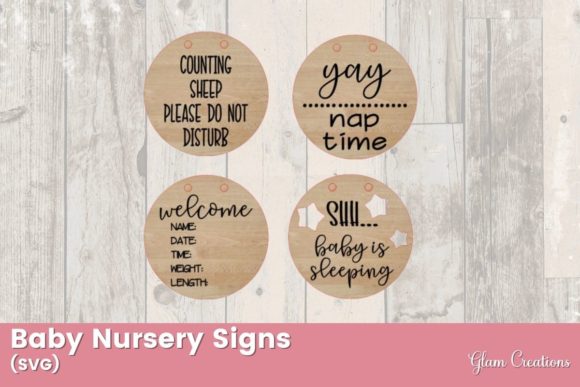
Let me begin by saying that this set of four Baby Nursery Signs is not just a cute graphic bundle. It’s a versatile storytelling tool for embroidery. When I first previewed these designs, my immediate thought was not about the files themselves, but about the final, stitched product hanging on a nursery door or adorning a personalized gift. The mood is undeniably sweet and celebratory, yet each design has a distinct, quiet personality. "Counting Sheep" feels whimsical and protective, "Yay, nap time" is joyful and relatable, "Welcome" is classic and heartfelt, and the details plaque is purely practical. This isn't a loud, garish set; it’s a thoughtful, cohesive collection that speaks to the quiet joy of a new baby.
The Moment It Lands on Fabric
To truly evaluate an embroidery design, you have to imagine it translated into thread. I picture pulling out a soft, stone-colored sweatshirt to make a gift for a new mom. Which of these signs would I choose? Perhaps "Yay, nap time" for its playful font and simple illustration. The layout here is key: clean, centered, with enough open space around the elements. This is a huge advantage for actual stitching. It means the design won't feel cramped in the hoop, and on a garment like a sweatshirt or a tote bag, the positive and negative space will balance nicely, resulting in a professional, handmade presentation that customers instinctively trust.
Where This Design Set Finds Its Natural Home
These graphics are born for personalized products. As a crafter or small business owner, your mind should jump immediately to items like baby blankets, pillow covers for the nursery, or delicate tea towels. But let’s push further. Think about an embroidered patch with the baby’s name and birth details, sewn onto a keepsake tote bag. Consider a simple, elegant cap for the parents featuring the "Welcome" design. For your Etsy listings or craft fair table, these signs open up a whole category: customized newborn gifts. The inclusion of the birth details design is the commercial gold here—it turns a generic cute graphic into a specific, must-have commemorative item. For digital product sellers, these files are strong assets for printable mockups, showing potential buyers exactly how their personalization will look.
Real-World Stitching: The Practical Considerations
Now, for the practical design judgment. When you load this embroidery file, your success will depend on a few critical choices. First, fabric selection. These designs, with their likely mix of satin stitch for lettering and fill stitch for illustrations, will sing on stable, medium-weight fabrics. Think cotton twill for tote bags, quilting cotton for pillow covers, or firm fleece for sweatshirts. I would use them carefully on very stretchy fabric or ultra-thin material like baby-weight cotton without robust stabilizer, as small lettering can distort.
Dark fabric backgrounds are another consideration. The whimsical, light-hearted feel of these signs is naturally complemented by lighter threads on darker fabrics, but you must check the thread color contrast meticulously. A test run on scrap fabric is non-negotiable. It lets you inspect the stitch density, especially in any dense areas like the sheep illustration, and confirm that tiny details in the date and time fields remain crisp. This step protects your final product’s value and your brand's consistency.
Caution Areas for the Best Final Result
While versatile, these designs demand respect for scale. Attempting to stitch them in a very small hoop size could compromise the clarity of the lettering and the charm of the illustrations. They are not minimalist micro-designs; they are statement pieces. Similarly, curved surfaces like caps require careful planning—the "Welcome" sign might work beautifully centered on a cap front, but the rectangular details plaque may need adaptation. Always consider the end product’s shape and how the design’s layout will flow with it. For items that will undergo frequent washing, like baby clothes or kitchen towels, ensure your stitch choices and stabilizer create a durable result.
How It Elevates Your Craft Business
From a commercial perspective, Baby Nursery Signs affects buyer engagement directly. It offers a complete, themed solution. A customer isn’t just buying one embroidery; they’re buying a concept. This boosts giftability and recognition. For a creative entrepreneur, offering a set of coordinated nursery decor items—an embroidered pillow, a wall hanging, a towel—becomes easy. The professionalism comes from the design’s cohesive visual personality, which translates to a cohesive product line for your small shop.
Before you commit to a commercial embroidery project using these graphics, do two things. First, test the designs in simple black and white mockups on both light and dark backgrounds. This reveals their form without color distracting you. Second, and this is crucial, confirm the licensing terms. Understand clearly whether the files are for personal use, commercial use, or both before you sell finished tote bags or baby blankets. This groundwork is part of a professional designer’s process and saves immense future headache.
The Final Stitched Impression
In the end, this set passes my review for real project use. It creates a mood of tender celebration, its layout is embroidery-friendly, and its detail level is thoughtful without being overwhelming. It naturally belongs on keepsake items, boutique nursery products, and personalized gifts that new families will cherish. By approaching it with practical steps—testing on scrap, choosing fabric wisely, respecting scale, and verifying licensing—you transform these digital graphics into exceptional, stitched realities that will delight your clients and grow your craft business.